
Interventional psychiatry across Greater Seattle: at-home ketamine available now, with SPRAVATO® and TMS coming soon. Call or text 425-598-7088.
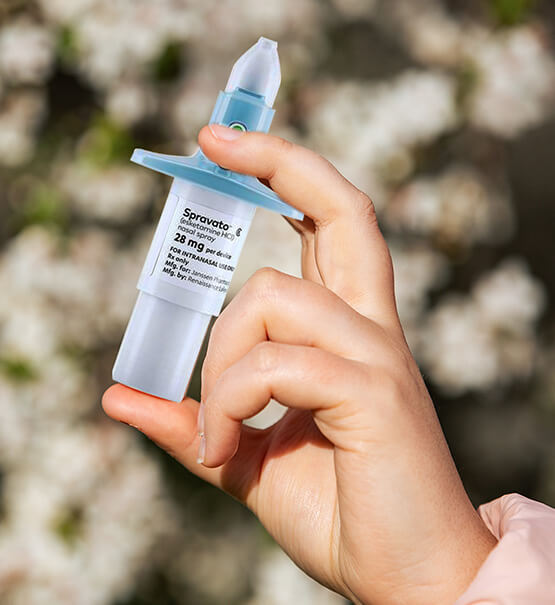
Treatment-Resistant Depression (TRD): For adults whose depression has not improved sufficiently after trying at least two different antidepressants.
Major Depressive Disorder (MDD) With Acute Suicidal Ideation or Behavior: For adults experiencing depressive symptoms with acute suicidal thoughts or behaviors, when used together with an oral antidepressant.
In clinical studies, SPRAVATO® has been evaluated for changes in depressive symptoms as early as 24 hours after treatment. Individual response can vary, and SPRAVATO® has not been shown to prevent suicide or reduce suicidal thoughts or behaviors. It does not replace hospitalization or emergency care when clinically warranted.
If you are in immediate danger, call or text 988, call 911, or go to the nearest emergency department.
Treatment-resistant depression can feel discouraging, especially when you have already put time and energy into trying to feel better. A clinical evaluation can help determine whether SPRAVATO® may be appropriate for you. Your clinician will consider your treatment history, current medications, medical history, and the factors affecting your day-to-day life.
SPRAVATO® works differently from many traditional antidepressant medications. It is self-administered in a certified healthcare setting while a healthcare provider is present to guide and monitor your care.
After taking SPRAVATO®, you will remain at the treatment setting for at least two hours of observation. This allows your healthcare provider to monitor how you are feeling and determine when you are ready to leave safely.
Some people may experience sleepiness, dizziness, a sense of disconnection from their surroundings, or a temporary rise in blood pressure after treatment. Your healthcare provider will talk with you about what to expect and how to prepare for treatment days.
You will need to plan for a safe way home after treatment. Do not drive, operate machinery, or take part in activities that require full alertness until the next day after a restful night of sleep.






Begin with a free consultation. A clinical evaluation helps determine whether SPRAVATO® may be appropriate for you based on your depression history, previous treatments, current medications, medical history, and safety considerations.
If SPRAVATO® may be appropriate, treatment takes place in a certified healthcare setting. During treatment, you self-administer the nasal spray while a healthcare provider is present, then remain for monitoring after each dose.
Your clinician will talk with you about potential benefits, risks, visit expectations, and how SPRAVATO® may fit within your broader care plan. The right next step depends on your history, your symptoms, your goals, and the care you have already received.
No treatment works the same way for every person. Your clinician can help you understand how treatment is being reviewed, whether SPRAVATO® continues to fit your needs, and what other care options may be worth discussing.
For treatment-resistant depression, SPRAVATO® prescribing information describes an initial treatment phase with more frequent visits, followed by less frequent treatment when clinically appropriate. Your treatment schedule is determined by your prescribing clinician.
For adults with MDD and acute suicidal ideation or behavior, SPRAVATO® is used with an oral antidepressant under a different treatment framework. That indication requires careful clinical judgment and does not replace hospitalization or emergency care when clinically warranted.
Week 1-4
Typically 2 Treatments a Week
Week 5-8
Typically 1 Treatment a Week
Week 9+
Typically Weekly or Every 2 Weeks, Based on Clinical Need
Clinical studies have evaluated SPRAVATO® in adults with treatment-resistant depression, including symptom outcomes and ongoing treatment for people who responded. Research has also evaluated esketamine nasal spray in adults with major depressive disorder and acute suicidal ideation or behavior as part of comprehensive standard care.
Research can help inform the conversation, but it cannot predict how any one person will respond. A qualified clinician can help you understand the potential benefits, risks, and limitations of SPRAVATO® in the context of your own care.
Response: SPRAVATO® has been studied in adults with treatment-resistant depression. Individual response can vary.
Timing: Some clinical studies evaluated changes in depressive symptoms as early as 24 hours after treatment. That does not mean every person will respond quickly or in the same way.
Ongoing Care: For people who continue treatment, clinical review remains part of the process. Your clinician can help assess how SPRAVATO® fits within your broader depression-care plan.
SPRAVATO® is taken in a certified healthcare setting, with monitoring built into each treatment visit.
A thoughtful evaluation considers what you have tried, what you are experiencing now, and what kind of care may fit your needs.
Your healthcare provider can explain what treatment involves, how to prepare, and what safety considerations matter before moving forward.
Depression can affect mood, sleep, work, relationships, motivation, and daily responsibilities. A thoughtful evaluation makes room for the full picture.
This page is for general educational purposes only and does not provide medical advice, diagnosis, or treatment. SPRAVATO® requires evaluation and prescribing by an appropriate healthcare professional.
If you are in immediate danger, call or text 988, call 911, or go to the nearest emergency department.
No commitment — just a conversation about which intervention might be right for you. A Nomad Therapeutics representative will answer your questions and walk you through what to expect.